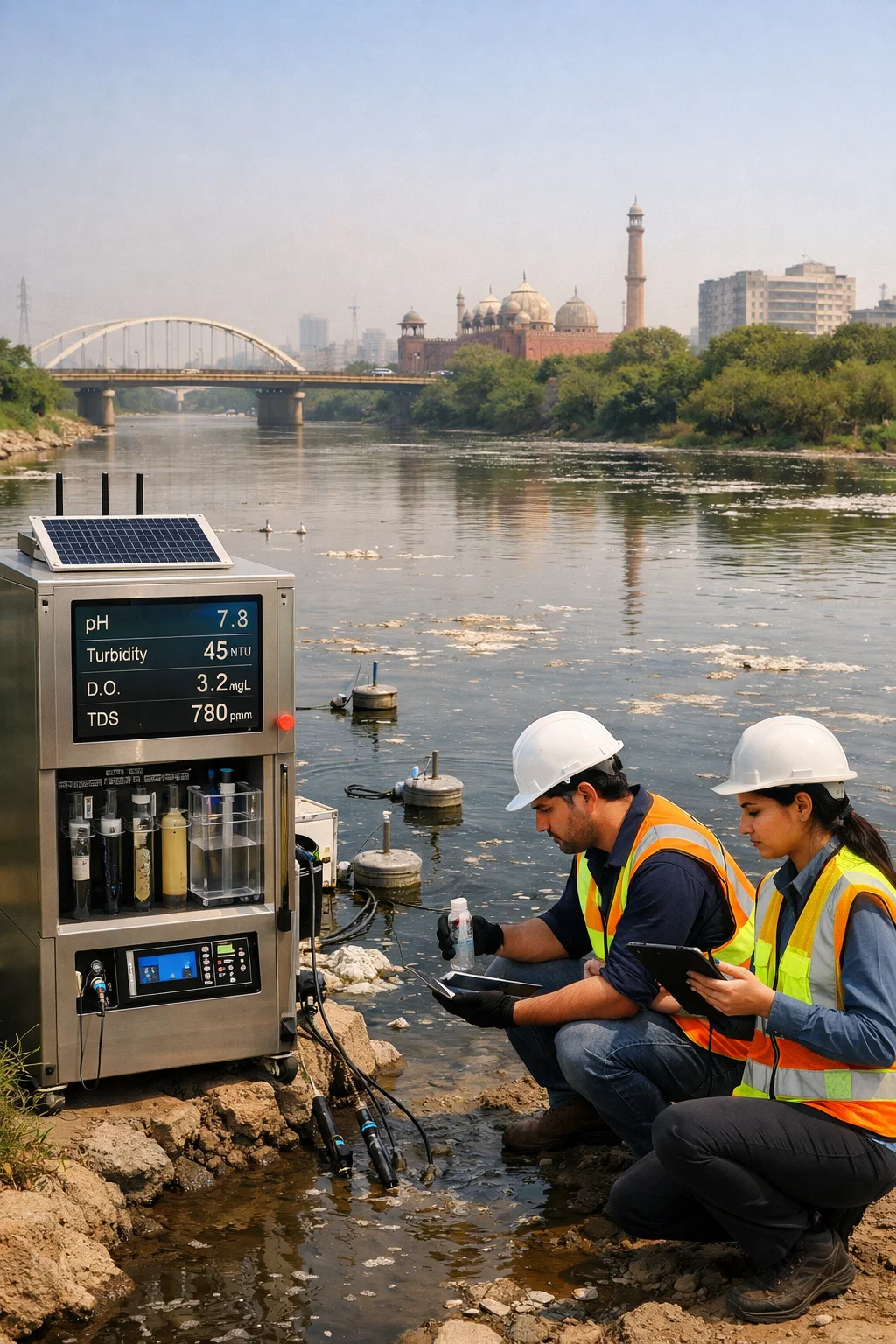
CPCB-Approved Water Quality Monitoring Systems in Delhi
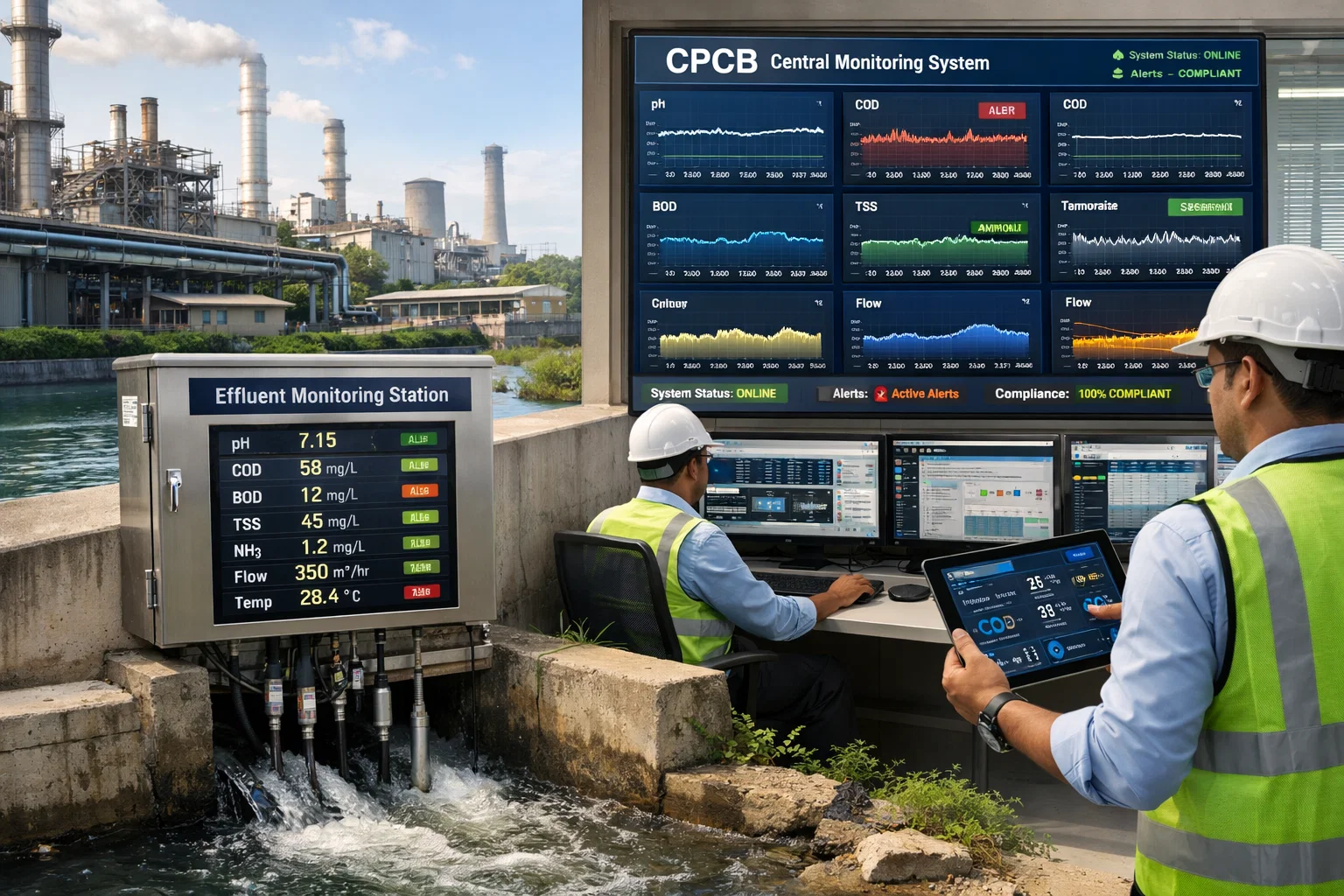
With growing environmental concerns and strict enforcement by CPCB and DPCC, industries in Delhi must adopt CPCB-approved water quality monitoring systems to comply with effluent discharge standards.
This blog explains what CPCB approval means, which systems are accepted in Delhi, the regulatory framework, and how Agua Instruments helps organizations implement compliant, real-time monitoring solutions.
Why CPCB-Approved Systems Matter in Delhi
Delhi’s water pollution challenges—including contamination of drains and the Yamuna River—have led regulators to mandate transparent, continuous, and tamper-proof monitoring.
- Valid compliance reporting accepted by CPCB & DPCC
- Real-time data transmission without risk of rejection
- Alignment with national monitoring standards
- Smooth inspections and audit approvals
Non-approved systems often fail DPCC inspections, resulting in penalties or operational notices.
What Does “CPCB-Approved” Mean?
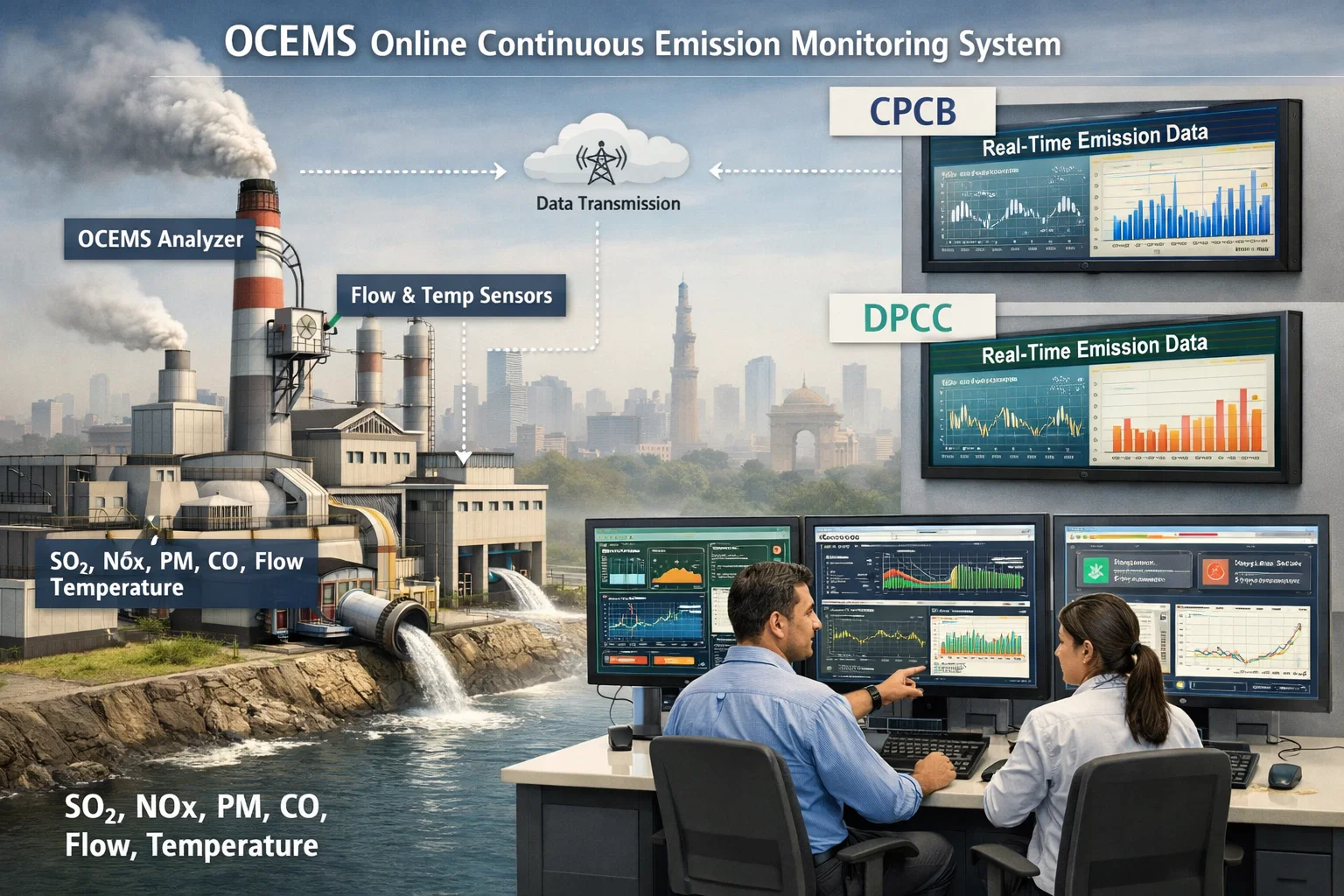
A CPCB-approved water quality monitoring system is one that meets CPCB technical specifications and is suitable for OCEMS compliance.
- Certified industrial-grade analyzers and sensors
- Secure communication with CPCB/DPCC servers
- Continuous, tamper-proof data logging
- Compliance with OCEMS reporting standards
Using non-compliant systems can lead to data rejection and regulatory penalties.
CPCB & DPCC Requirements for Water Quality Monitoring in Delhi
1. Mandatory Real-Time Monitoring
- OCEMS installation for Red and Orange category industries
- 24×7 continuous monitoring
- Direct data transmission to CPCB & DPCC servers
2. Key Parameters Mandated
- pH
- COD (Chemical Oxygen Demand)
- BOD (Biochemical Oxygen Demand)
- TSS (Total Suspended Solids)
- Flow
- Conductivity
- Oil & Grease
- Ammonical Nitrogen
3. Data Transmission Standards
- Secure GPRS / LAN / IoT transmission
- Encrypted, tamper-proof protocols
- Direct server upload on defined intervals
Any data delay or loss is treated as non-compliance.
4. Calibration, Maintenance & Records
- Periodic calibration of approved analyzers
- Scheduled preventive maintenance
- Proper documentation for audits
How Agua Instruments Meets CPCB Requirements in Delhi
- Online COD & BOD analyzers (CPCB-ready)
- pH, TSS, Flow & Conductivity sensors
- Multi-parameter water quality analyzers
- Industrial data loggers with IoT/GPRS modules
- CCTV integration for OCEMS (where required)
All systems are designed for uninterrupted operation and secure, real-time compliance reporting.
Typical Installations in Delhi
- Industrial ETP final discharge points
- STP outlets
- Commercial wastewater lines
- CETPs
- Infrastructure & construction site drains
Benefits of Using CPCB-Approved Monitoring Systems
- Regulatory confidence and audit clarity
- Reduced penalty and shutdown risk
- Improved treatment performance
- Stronger ESG and sustainability reporting
Industries in Delhi That Require CPCB-Approved Systems
- Chemical and pharmaceutical plants
- Food & beverage manufacturing units
- Textile processing industries
- Power & utility facilities
- Commercial complexes and hospitals
- STPs & ETPs of all sizes
Conclusion
For Delhi industries, CPCB-approved water quality monitoring systems are essential for legal compliance, environmental protection, and operational efficiency.
Agua Instruments — Precision Monitoring. Regulatory Compliance. Sustainable Future.